Your nervous system reads a room before your eyes do
I read what a space is doing to the body
Every space leaves an imprint on the body before the mind has named it. A home entered after a separation. An office inherited without choosing it. A house that looked right and has never felt right. The body knew before you did.
That is where my work begins. Not in how a space looks. In what the body registers before the eye has finished looking.
I grew up in a house that never felt like home
That is not a detail in my biography. It is the origin of my authority.
I spent years trying to understand the gap between how a space looks and how it feels to be inside it. Why certain rooms make you contract the moment you enter. Why others, sometimes unexpectedly simple ones, let you exhale.
What I found is that spaces act on the nervous system through all the senses at once, long before the mind forms an opinion. The quality of light at a specific hour. The weight of a material underfoot. The way sound moves, or doesn't. These are not details. They are the architecture of how we rest, think, and recover.
The body orients itself toward safety without being asked. A chair placed against the wrong wall, a bed that doesn't face the door, a bench so cold and hard the body knows not to stay. These are not small things. They are what decides, silently, whether a space welcomes a person or simply contains them. My work is the precision of those decisions: which object, in which position, made of what, under which light. Welcome is not a feeling a space produces by accident. It is built, element by element, or it is not.
For fifteen years I have done something most consultants never do: I have tended the spaces I design from the inside, receiving strangers, watching how they enter, where they settle, what they avoid. That sustained observation, thousands of arrivals across different seasons in spaces I know intimately, is not a side activity. It is the empirical foundation of everything I know about how a room holds a body.
I work with people navigating a transition that has changed how they need to live: a separation, a relocation, a life that has outgrown its space. And with companies that suspect the space itself is the reason their people need so much recovery from an ordinary working day.

How I work
Every space communicates before anyone speaks. Within seconds of entering a room, the nervous system has already decided: stay or leave, settle or guard, focus or drift. This happens below awareness — through the quality of light, the weight of materials, how sound moves, what the skin feels, what the body reads as safe.
This is not an opinion. Research confirms what the body already knows. A single point increase in guest ratings allows properties to raise prices by 11.2% without losing occupancy (Cornell). Travellers are 3.9 times more likely to book the better-reviewed property — even at 20% higher cost (NYU Tisch Center). Well-designed workspaces improve performance by up to 20%, and 73% of employees would consider leaving a company whose space doesn't support them — not for better pay, just for a room that works.
The common thread is not aesthetics. It is how a space makes people feel — and whether that feeling was designed or left to chance. I read spaces the way the body reads them: through light, air, texture, scale, and sound. Then I translate that reading into precise, evidence-based changes. Not renovation. Recalibration. The right light at the right hour. A material that invites the hand. A layout that lets people breathe.
The result is measurable: higher ratings, better conversion, longer stays, lower absenteeism, teams that don't need to recover from their own office.
The space speaks before you do
I have spent twenty years walking into properties and knowing — within seconds — whether the space was designed with intention or simply furnished. Your future guests do exactly the same thing. Only they don't walk in first. They scroll.
A photograph on a booking page is not a picture of a room. It is a sensory promise. Guests can tell the difference between a space that was considered and one that was assembled. They may not have the words, but their thumb does. It stops or keeps scrolling.
What connects everything is simple: how the space makes people feel. The warmth of a light source at the right colour temperature. A material that invites touch. The silence that comes from well-considered acoustics. A plant that softens a corner and tells the guest someone cared about their comfort. These details don't just improve the stay — they are what guests photograph, what they mention in reviews, what makes them return.
My process starts with listening: I understand your property, your audience, what works and what doesn't. Then I walk the space as a guest would — but I read what they can only feel. I work across the full arc: from the spatial decisions that photograph as a credible promise, to the sensory choices that deliver on it. Light, texture, proportion, greenery, air. What a guest feels before they think.
You receive a written report with prioritised recommendations. No jargon. Every change ordered by impact and cost, actionable from the first read. Optional follow-up to accompany implementation.
Your space is already communicating. I make sure it says what you need it to say — starting with the first image.
The room is the strategy
Most workspaces are designed for how they look on a floor plan, not for how people feel inside them. But when you pay attention to what a space does to the body — not just the eye — everything changes.
A plant on a desk is not decoration. Environments with natural elements increase productivity by 6% and creativity by 15%. Natural light near workstations adds 46 minutes of sleep per night and reduces daytime sleepiness by 56%. Good air quality and natural light together can cut absenteeism by up to four days a year. Even something as simple as a well-placed acoustic panel can restore the focus that an open office silently erodes.
We spend a third of our lives in work environments. The quality of the air we breathe, the light we work under, the textures we touch, the sounds around us — it all adds up. Not in theory. In concentration, in energy, in how people feel at the end of the day.
My process starts by listening to the people who use the space, not just those who manage it. Then I read it the way a body does: quality and direction of light throughout the day, acoustic behaviour, material contact, thermal response, and whether the space offers any real possibility for rest or decompression. Most don't.
You receive a written diagnostic: a prioritised map of what your space is doing to the people who inhabit it, and what needs to change, in what order. Written in clear language your facilities team, your architect, or your board can act on immediately. Follow-up available to accompany implementation.
The most expensive office isn't the one with the highest rent. It's the one where your team can't think.
Selected work
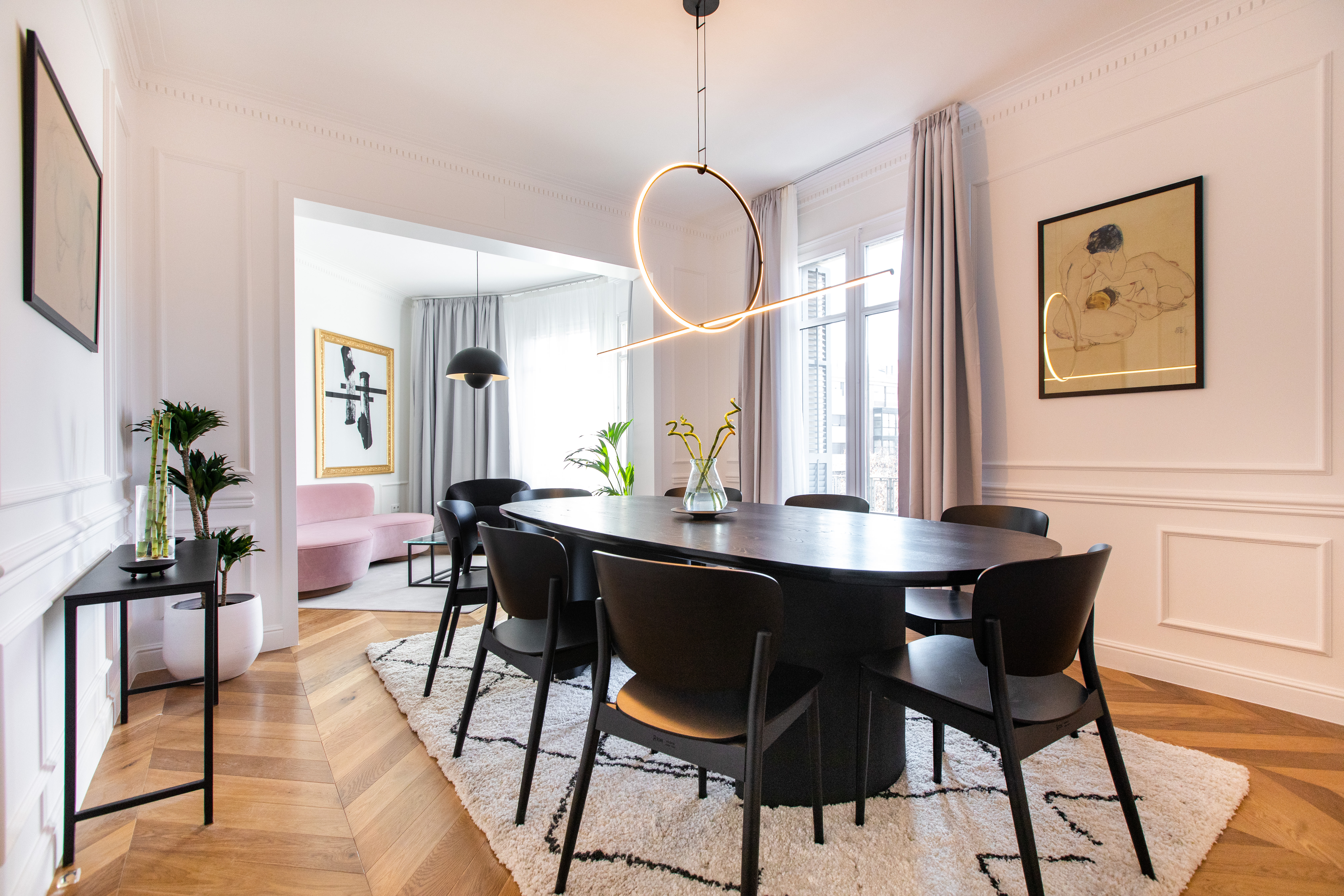
Case studies are shared privately with serious enquiries.
If your space deserves this kind of attention
If you recognise yourself in how I work, or have a space, a decision, or a question that deserves close attention, write to me directly. I read every message personally.
or write directly to mercedes@studiosensum.com